
By Rhen Hoehn, Director of Marketing
Most planned giving advice stops at the conversation. But sometime gifts fail after the conversation, in the paperwork: a bequest written to an entity that doesn't legally exist, a gift of land nobody was authorized to accept, a restricted fund too small to a...
By Rhen Hoehn, Director of Marketing
Most nonprofits don't have a planned giving communications problem. They have a planned giving silence problem. The program exists on paper, the pastor is supportive, someone drafted a legacy society name two years ago, and nothing has appeared in communicati...
By Rhen Hoehn, Director of Marketing
Most legacy societies fail quietly. Launching is the easy part, but maintaining can be a struggle. The societies fail in year four, when the founding development director has moved on, nobody has written to the members in eighteen months, and a charter member...
By Rhen Hoehn, Director of Marketing
Most development officers don't avoid planned giving because they doubt its value. They avoid it because they are intimidated. What How do you sit across from a seventy-eight-year-old parishioner and raise the subject of her will without making the moment str...
By Rhen Hoehn, Director of Marketing
Someone told you it was time to start a planned giving program.
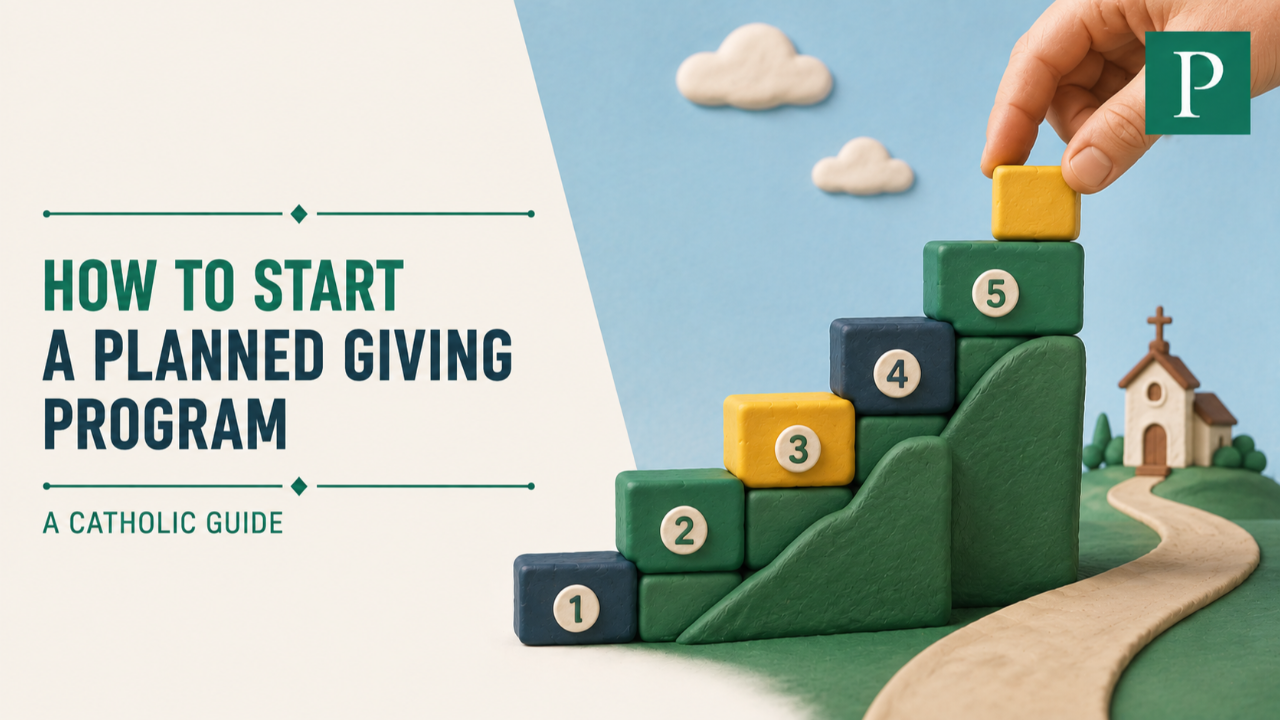
Maybe a parishioner died and left the parish an unexpected gift. Maybe the bishop asked every parish to name a planned giving contact. Or maybe you looked around and realized no one had ever inv...
By Rhen Hoehn, Director of Marketing
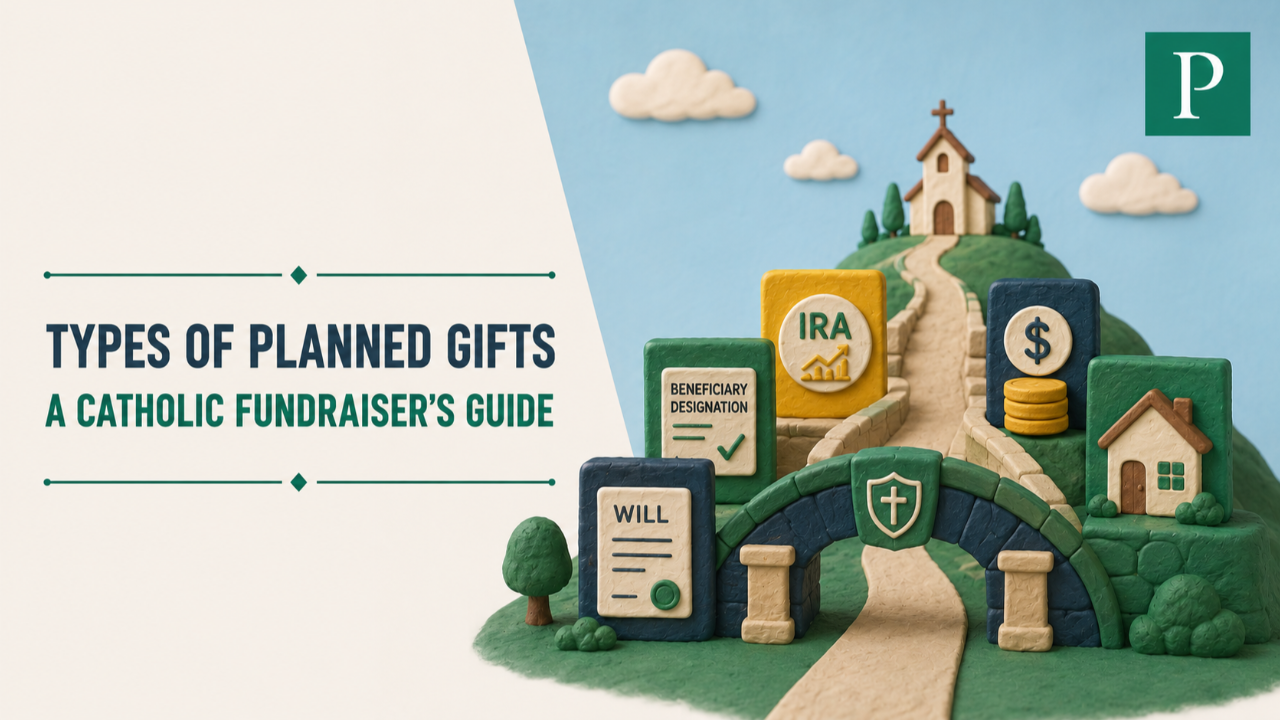
A planned gift is a charitable gift arranged during a donor's lifetime but tied to their estate plan, retirement assets, or long-term financial picture rather than to their checkbook. Some are revocable and cost the donor nothing today. Others are irrevocable...
By Rhen Hoehn, Director of Marketing
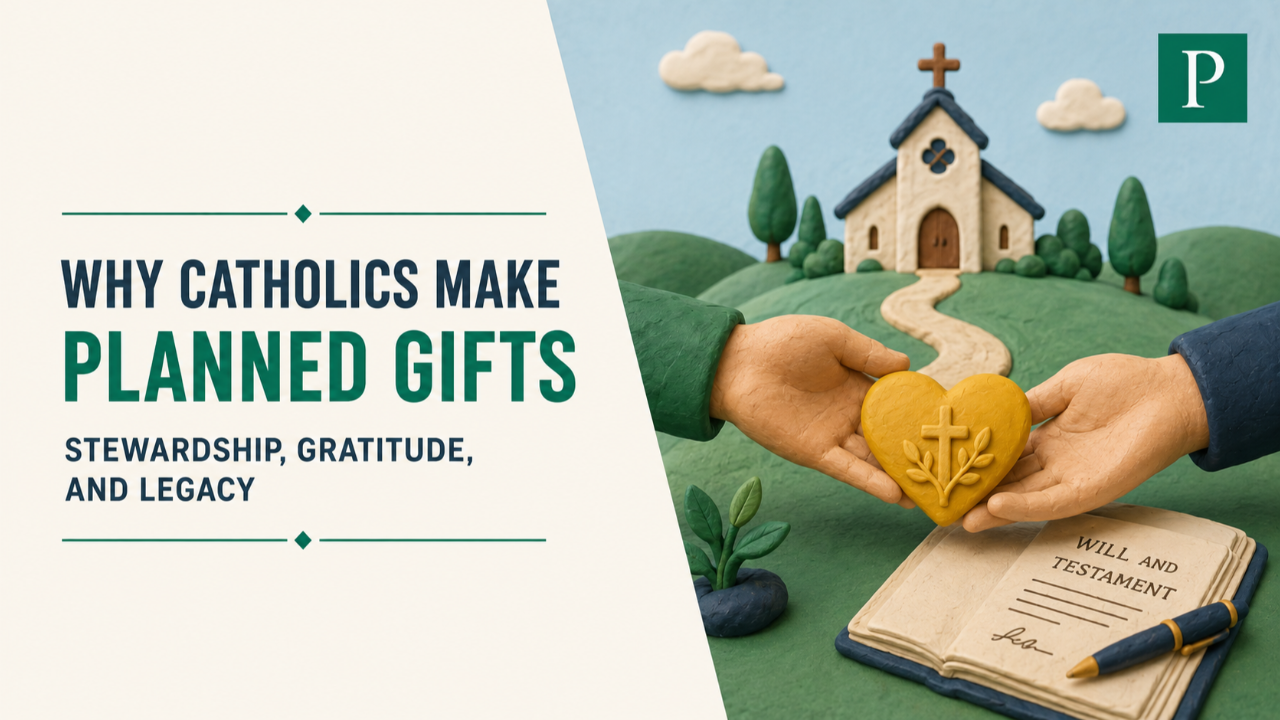
Ask a development director why a parishioner should leave a bequest, and the first answer is almost always about taxes. It's the safest-feeling answer available. It's concrete, it sounds like expertise, and it lets you talk about a will without talking about d...
By Rhen Hoehn, Director of Marketing
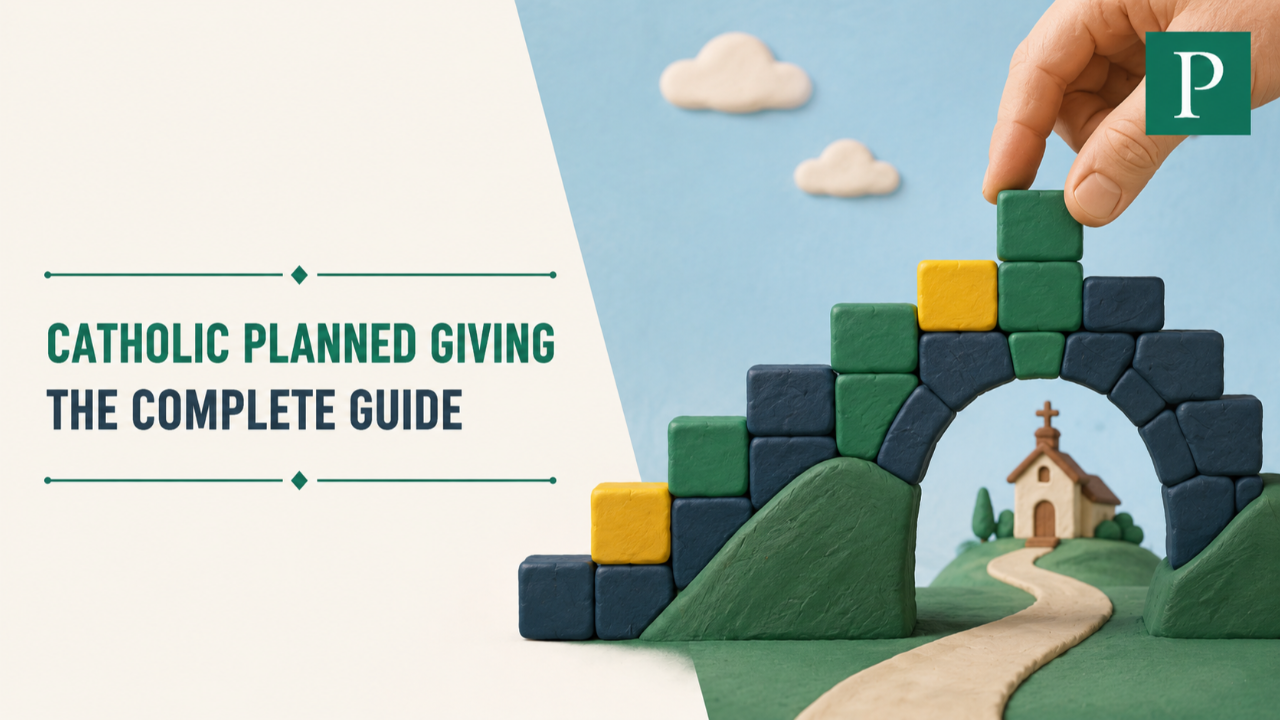
Planned giving is the practice of inviting and receiving charitable gifts made from a donor's accumulated assets, usually through a will, a trust, a beneficiary designation, or a life-income arrangement, rather than from current income. Most planned gifts are...

For many fundraisers, summer feels different.
The calendar lightens. Donors travel. The frantic pace of spring gives way to something less intense. That slowdown can feel like lost ground when fundraising is measured by visible activity.
It doesn't have to be.
A quieter stretch is one of...

Every fundraiser eventually walks out of a donor meeting thinking, well, that didn't go how I planned.
Maybe the donor was cold. Maybe leadership said the wrong thing. Maybe the setting was a disaster. Maybe you realized halfway through that this was absolutely not the moment for an ask.
The...
Whether you lead a Catholic school, a parish, or a mission-driven apostolate, fundraising training can be the difference between surviving and thriving. This guide breaks down what to look for, what to avoid, and how to find a program that fits your organization's mission and capacity.
Why Catho...
Many Catholic fundraisers enter this work with a deep sense of purpose. They are motivated by faith, drawn to the mission, and willing to give generously of themselves. That sense of calling is often what sustains them through long days, tight deadlines, and difficult conversations.
It is also, ...